Platform · Infrastructure UX

Web

2021

how i

reduced deployment risk without slowing delivery

ROLE

Product Designer

TEAM COMPOSITION

1 CPO · 20+ Engineers · Product Designer

ORGANIZATION

Scale up

PRODUCT TYPE

Internal product

Greencom was scaling fast.
The product, the teams, the infrastructure, everything at once.

Over time, internal tooling grew the same way startups usually do:
organically, pragmatically… and slightly out of control.

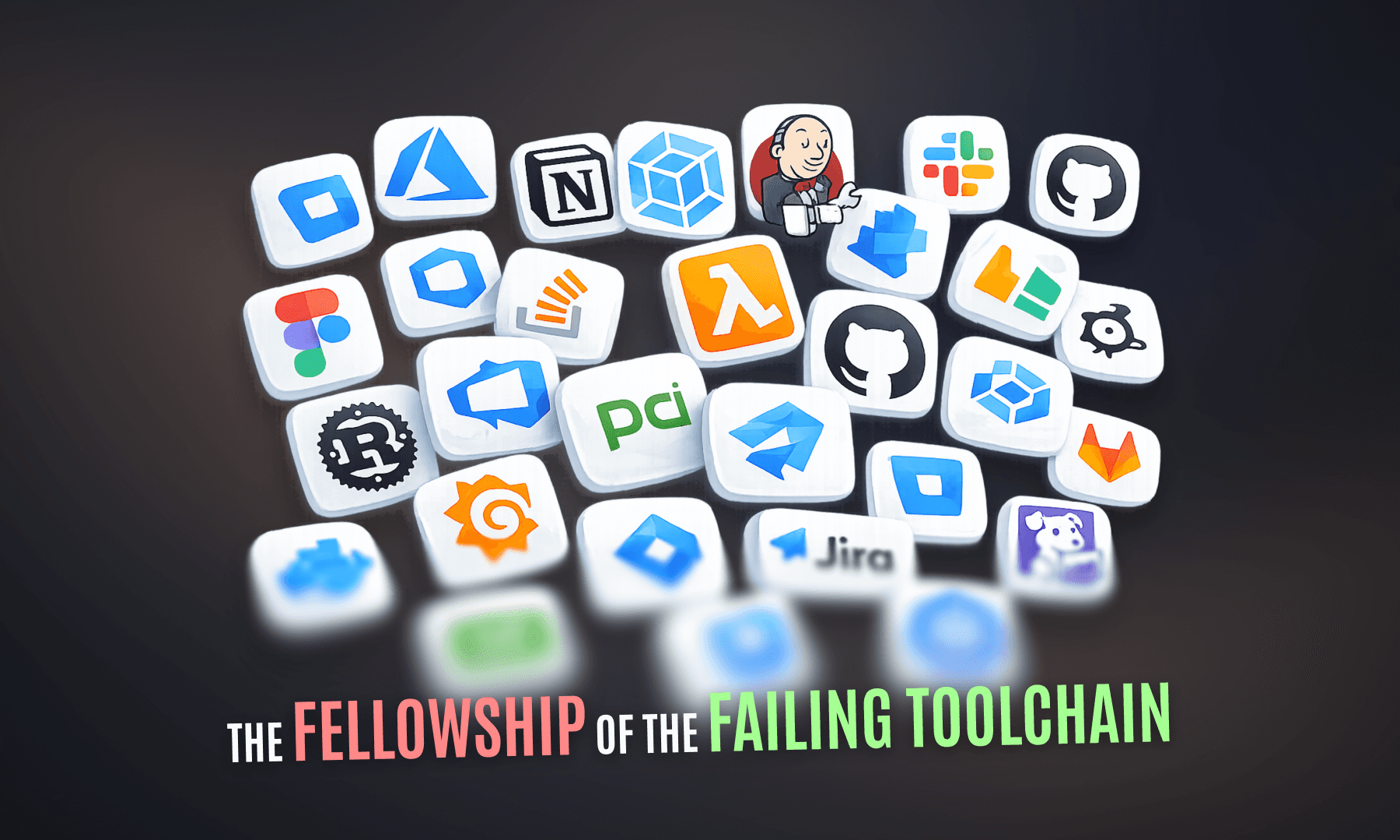
Dozens of tools.
Multiple cloud providers.
Critical actions spread across too many tabs.

Shipping still happened.
But every deployment felt like defusing a bomb you didn’t wire yourself.

This project focused on one thing:
making infrastructure actions feel predictable again.

How it started

Infra Engineer
Infra Engineer
Quick question: where do we deploy the worker service again? Is it on the AWS dashboard, the internal admin, or that script someone shared last month?
Frontend Developer
Frontend Developer
Depends 😅 Prod or staging?
Infra Engineer
Infra Engineer
Prod. Definitely prod. Asking for a friend.
CPO
CPO
Ok, that hesitation right there is the problem. If deploying feels stressful, the system is doing something wrong.
Infra Engineer
Infra Engineer
Agreed. Every deploy feels like defusing a bomb with a different manual each time 💣

How it started

Infra Engineer
Infra Engineer
Quick question: where do we deploy the worker service again? Is it on the AWS dashboard, the internal admin, or that script someone shared last month?
Frontend Developer
Frontend Developer
Depends 😅 Prod or staging?
Infra Engineer
Infra Engineer
Prod. Definitely prod. Asking for a friend.
CPO
CPO
Ok, that hesitation right there is the problem. If deploying feels stressful, the system is doing something wrong.
Infra Engineer
Infra Engineer
Agreed. Every deploy feels like defusing a bomb with a different manual each time 💣

How it started

Infra Engineer
Infra Engineer
Quick question: where do we deploy the worker service again? Is it on the AWS dashboard, the internal admin, or that script someone shared last month?
Frontend Developer
Frontend Developer
Depends 😅 Prod or staging?
Infra Engineer
Infra Engineer
Prod. Definitely prod. Asking for a friend.
CPO
CPO
Ok, that hesitation right there is the problem. If deploying feels stressful, the system is doing something wrong.
Infra Engineer
Infra Engineer
Agreed. Every deploy feels like defusing a bomb with a different manual each time 💣

How I approached it

Centralize actions in a single tool

Before …

Infrastructure actions lived across multiple tools.

Each one made sense in isolation.
Together, they felt like a Rube Goldberg machine.

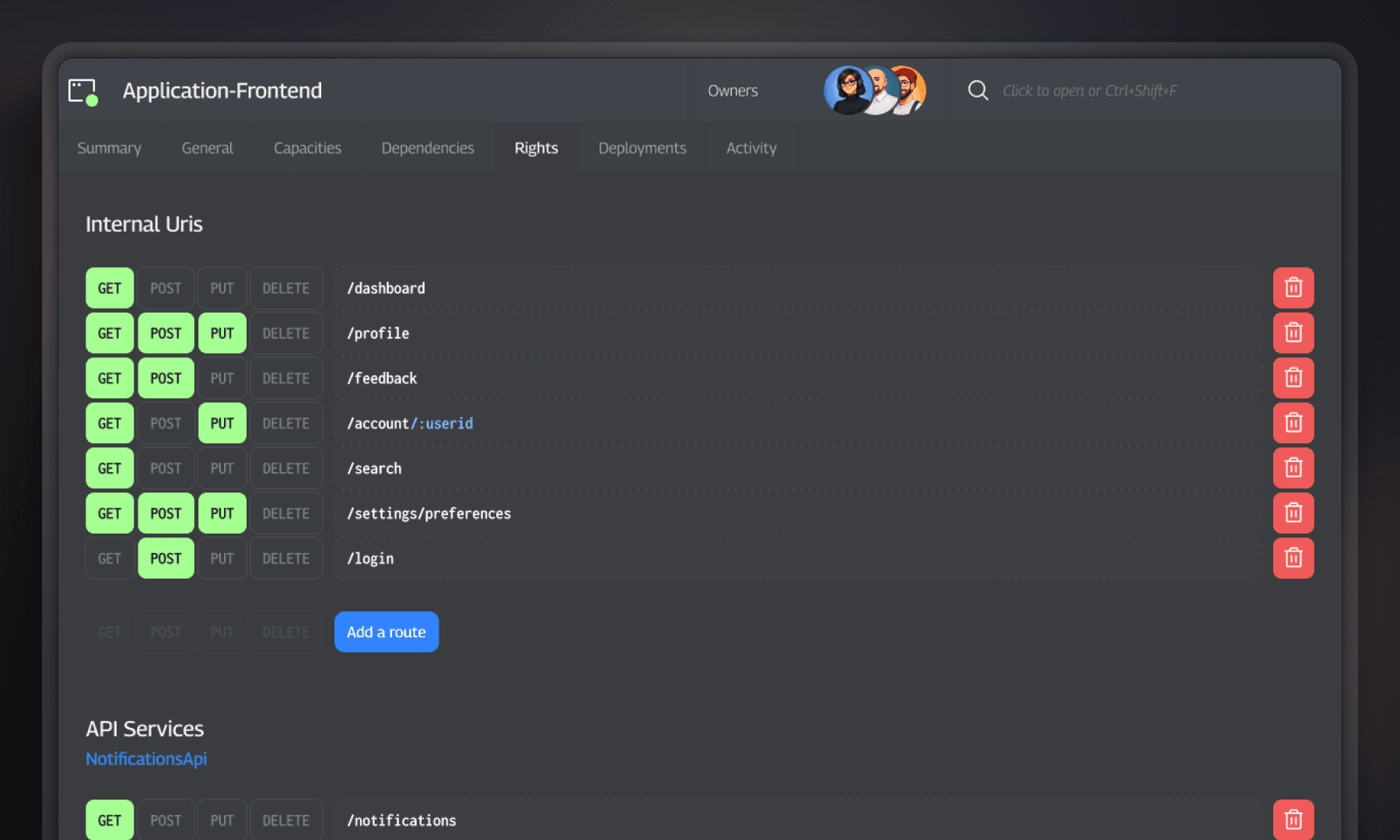
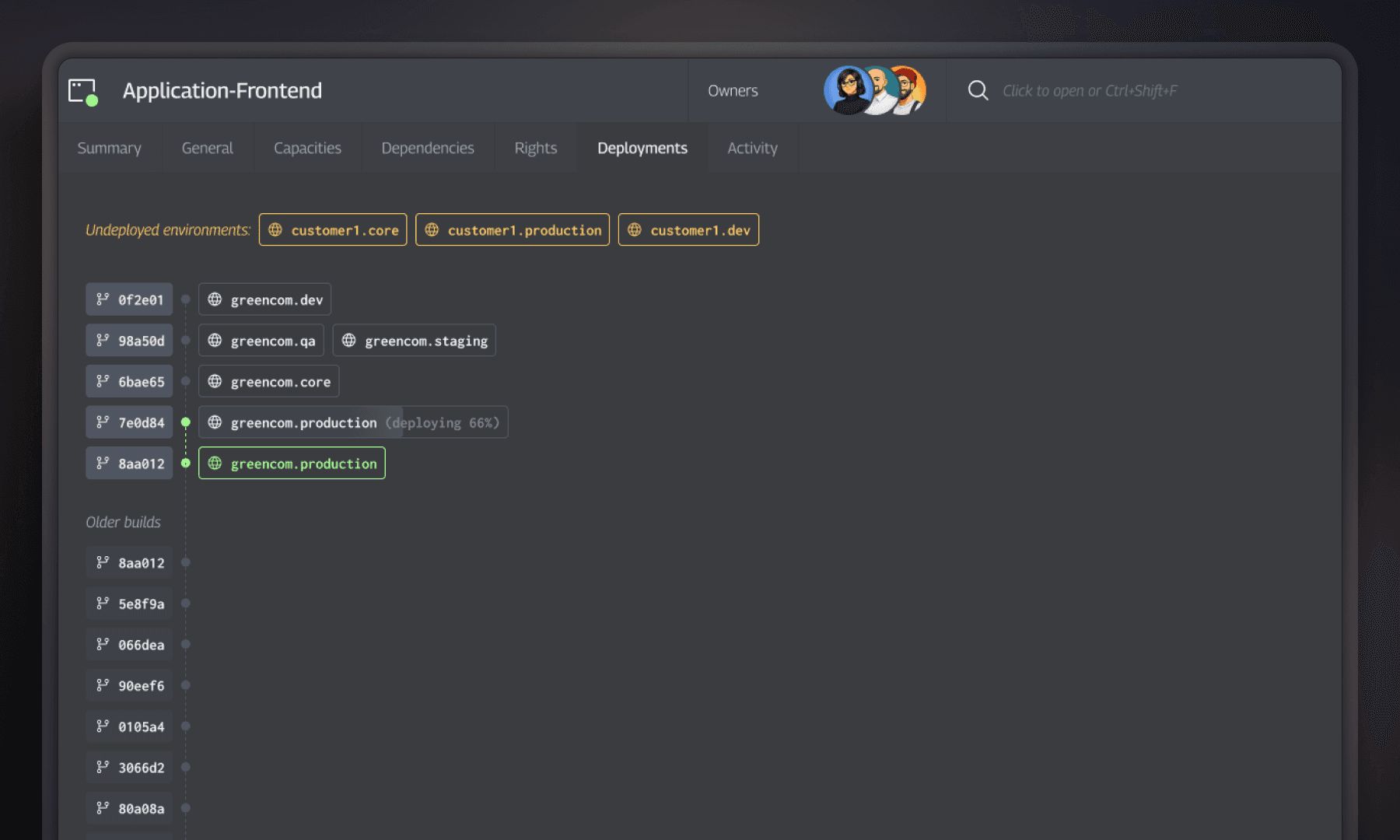
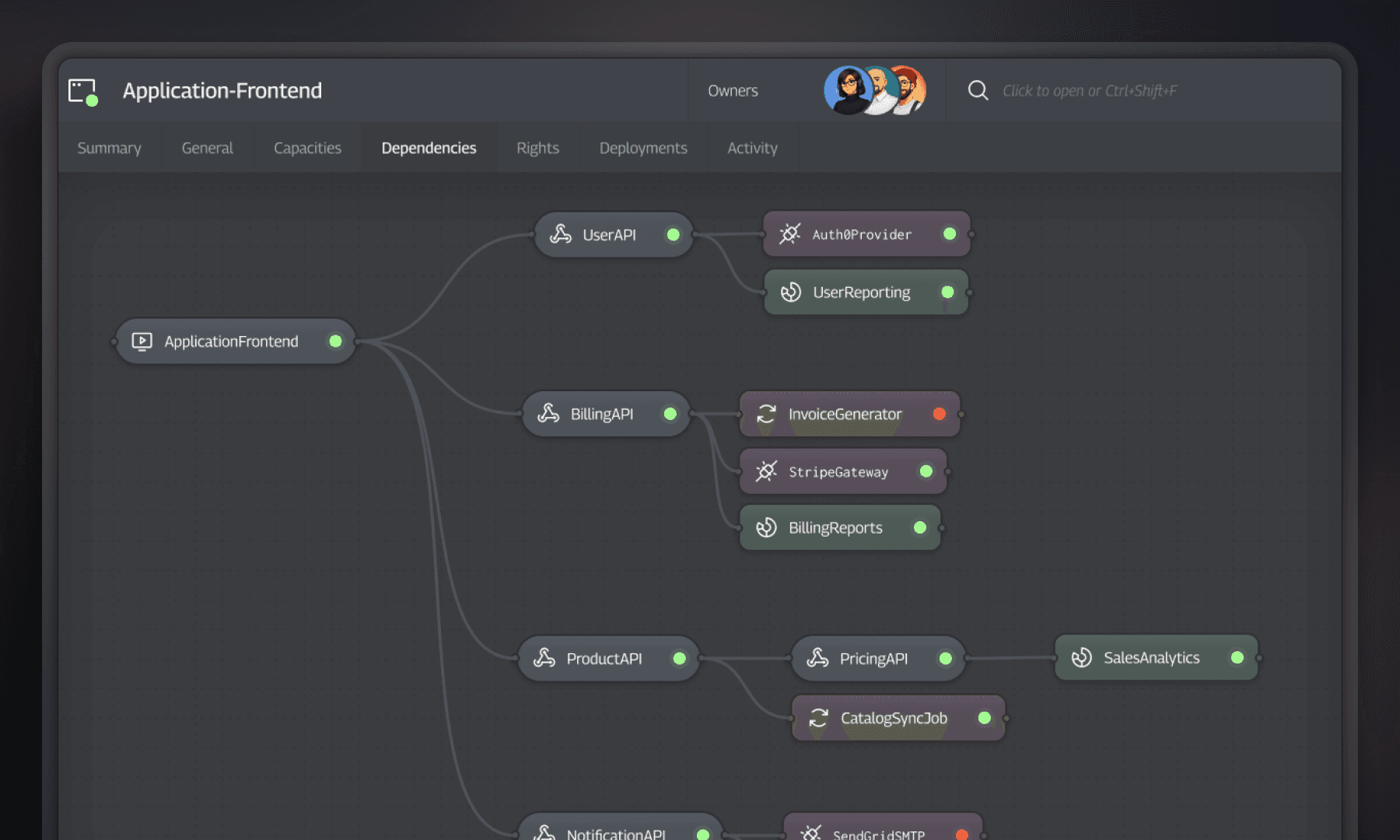
We brought critical actions into a single interface.

The system stayed complex.
The interaction didn’t have to be.

… after

Engineers acted faster because the mental overhead dropped.

Less guesswork.
Fewer “wait, is this the right place?” moments.

Centralize actions in a single tool

Before …

Infrastructure actions lived across multiple tools.

Each one made sense in isolation.
Together, they felt like a Rube Goldberg machine.

We brought critical actions into a single interface.

The system stayed complex.
The interaction didn’t have to be.

Engineers acted faster because the mental overhead dropped.

Less guesswork.
Fewer “wait, is this the right place?” moments.

… after

Centralize actions in a single tool

Before …

Infrastructure actions lived across multiple tools.

Each one made sense in isolation.
Together, they felt like a Rube Goldberg machine.

We brought critical actions into a single interface.

The system stayed complex.
The interaction didn’t have to be.

Engineers acted faster because the mental overhead dropped.

Less guesswork.
Fewer “wait, is this the right place?” moments.

… after

Traded advanced features for clarity

Before …

Tools were built for experts.

If you already knew where to look, everything made sense.
If you didn’t, you learned by trial, error, and a worrying number of tabs.

We optimized for everyday reality.

Not for edge cases.
Not for power demos.

For the actions engineers repeat, day after day.
The ones that need to feel obvious.

… After

Workflows became predictable.

Fewer places to check.
Fewer mental detours.
Confidence came from familiarity.

Traded advanced features for clarity

Before …

Tools were built for experts.

If you already knew where to look, everything made sense.
If you didn’t, you learned by trial, error, and a worrying number of tabs.

We optimized for everyday reality.

Not for edge cases.
Not for power demos.

For the actions engineers repeat, day after day.
The ones that need to feel obvious.

Workflows became predictable.

Fewer places to check.
Fewer mental detours.
Confidence came from familiarity.

… After

Traded advanced features for clarity

Before …

Tools were built for experts.

If you already knew where to look, everything made sense.
If you didn’t, you learned by trial, error, and a worrying number of tabs.

We optimized for everyday reality.

Not for edge cases.
Not for power demos.

For the actions engineers repeat, day after day.
The ones that need to feel obvious.

Workflows became predictable.

Fewer places to check.
Fewer mental detours.
Confidence came from familiarity.

… After

Made system health visible

Before …

System health existed.

Release status here.
Monitoring there.
Validation hidden behind manual checks and Slack pings.

Deploying meant guessing if things were fine.
Or asking around until someone said “I think so”.

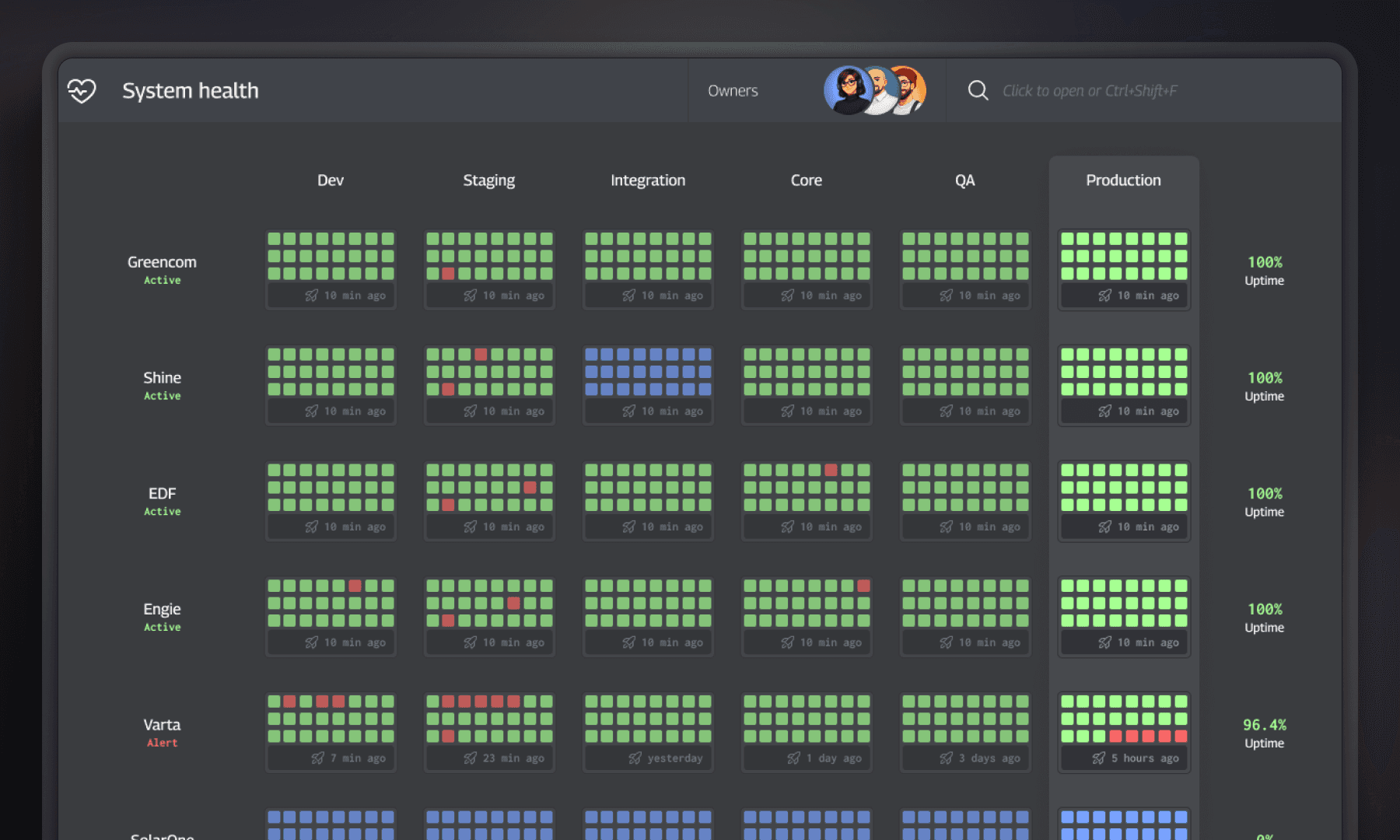
We made visibility a first-class feature.

One tool to rule them all.
Clear signals, readable at a glance.

… After

Deployments felt calmer.

Issues showed up earlier.
Decisions required fewer confirmations.

Visibility did the heavy lifting.

Made system health visible

Before …

System health existed.

Release status here.
Monitoring there.
Validation hidden behind manual checks and Slack pings.

Deploying meant guessing if things were fine.
Or asking around until someone said “I think so”.

We made visibility a first-class feature.

One tool to rule them all.
Clear signals, readable at a glance.

Deployments felt calmer.

Issues showed up earlier.
Decisions required fewer confirmations.

Visibility did the heavy lifting.

… After

Made system health visible

Before …

System health existed.

Release status here.
Monitoring there.
Validation hidden behind manual checks and Slack pings.

Deploying meant guessing if things were fine.
Or asking around until someone said “I think so”.

We made visibility a first-class feature.

One tool to rule them all.
Clear signals, readable at a glance.

Deployments felt calmer.

Issues showed up earlier.
Decisions required fewer confirmations.

Visibility did the heavy lifting.

… After

What it actually changed

MAJOR IMPACTS

Before

After

Deployments took hours

Deployments happen multiple times per day

Tools fragmented and opaque

One interface shows system state

Friday releases avoided

Frequent releases became normal

Risk managed by process

Risk managed by visibility

Before

After

Deployments took hours

Deployments happen multiple times per day

Tools fragmented and opaque

One interface shows system state

Friday releases avoided

Frequent releases became normal

Risk managed by process

Risk managed by visibility

Before

After

Deployments took hours

Deployments happen multiple times per day

Tools fragmented and opaque

One interface shows system state

Friday releases avoided

Frequent releases became normal

Risk managed by process

Risk managed by visibility

x0

x0

Deployment frequency

0%

0%

Daily infra actions handled

Organizational impacts

Engineers stopped triple-checking before clicking “deploy”.

Infrastructure actions became easier to trust because:

  • they were centralized

  • visible

  • and behaved the same way every time

Nothing flashy changed.
And that was exactly the point.

Retrospective

Centralizing infra tools is easy to pitch.
Much harder to make stick.

The real signal came weeks later:

  • teams kept using it

  • even when things were on fire

  • especially when things were on fire

That’s when we knew it worked.

TL;DR

From chaos to control

One interface to rule them all

From maze to hub

Infra actions moved to one place

From fear to trust

Engineers could deploy as much as they wanted

TL;DR

From chaos to control

One interface to rule them all

From maze to hub

Infra actions moved to one place

From fear to trust

Engineers could deploy as much as they wanted