01
Friction
For offer teams
They knew how to imagine new tariffs, but not always how to translate them into reliable rules.
Variable schedules
Consumption thresholds
Application periods
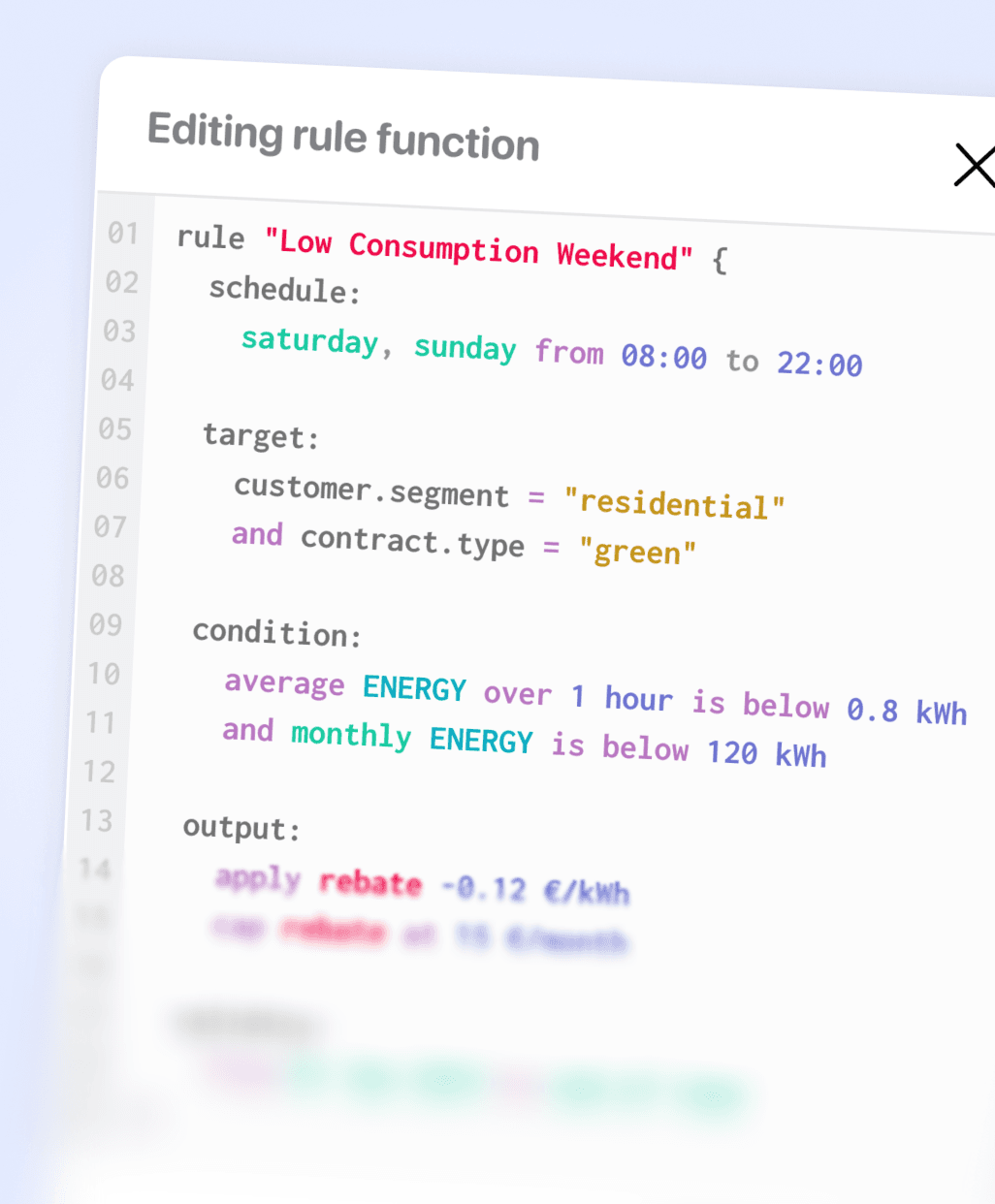
In 2019, our platform helped energy suppliers manage their tariff offers. Offer teams wanted to create new tariffs without going through IT. I designed a visual editor to define rules and see their effect on the bill.
Challenge
My role
OwnedContributedYear
Timeline
Tools
Methodology
Components of a tariff rule
Application
periods
Threshold
conditions
Contract
types
Special
events
Customer
exceptions
Creating a new offer meant translating a business idea into technical logic
See when the rule applies
Offer teams needed to manipulate schedules, thresholds and conditions themselves
Observed in business expert interviews
Offer teams needed to manipulate schedules, thresholds and conditions themselves
How can we turn an offer idea into understandable, configurable and verifiable tariff rules?
01
Friction
For offer teams
They knew how to imagine new tariffs, but not always how to translate them into reliable rules.
Variable schedules
Consumption thresholds
Application periods
02
Friction
For the business
Each offer variant required too much back-and-forth before it could be tested or launched.
Slower launches
Difficult tests
Limited differentiation
03
Friction
For IT
The billing system was too critical to replace, but too rigid to absorb every new request.
Legacy to preserve
Migration risk
Technical dependency
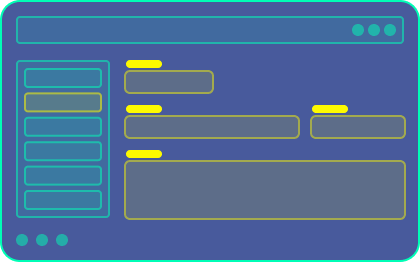
One form per offer
Create a dedicated screen for each tariff logic, with simple fields for standard cases.
Very easy to read
Fast on simple cases
Not very flexible
Too many variants
One advanced editor
Expose logic close to the rule engine to cover the most complex tariff scenarios.
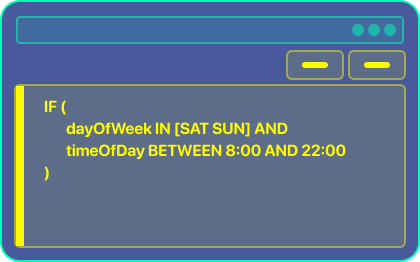
Very flexible
Covers rare cases
Too technical
Risk of errors
A guided and advanced mode
Combine readable business blocks with an advanced mode for rules that go beyond common cases.
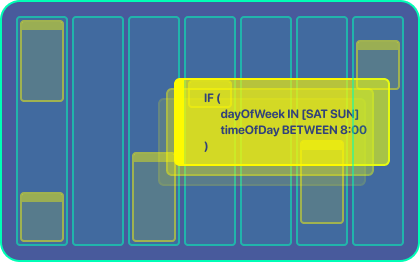
Accessible to business teams
Flexible when needed
Harder to design
Model to explain
Check out the 4 key decisions I made
Productization
Instead of coding every new offer, we made rules creatable from a business interface.
Comparison between a rule engine coded by technical teams and a business interface for creating energy offers.
Avoided cost
Accepted cost
Accessibility
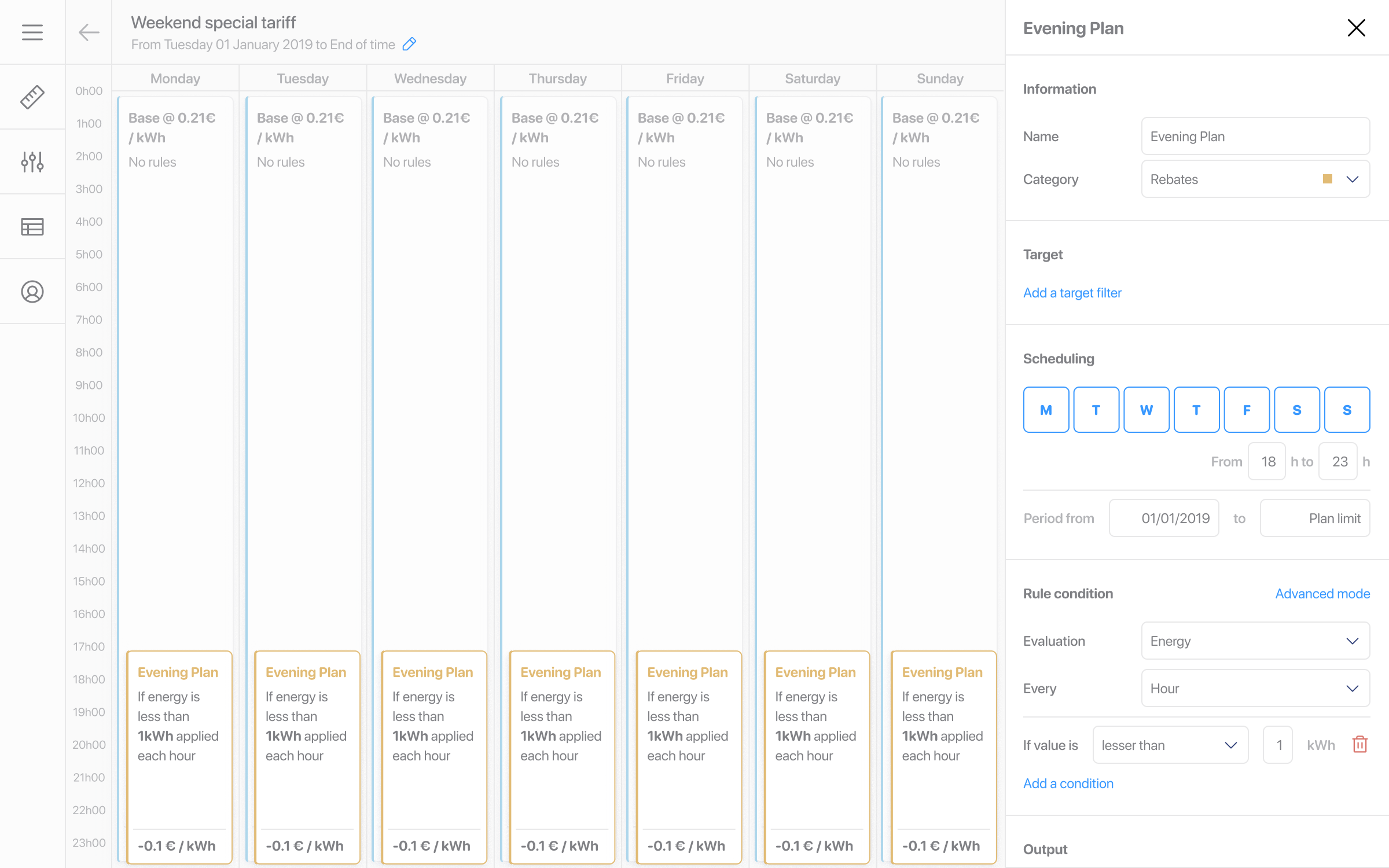
Common cases remained simple, while experts kept an escape hatch for complex rules.
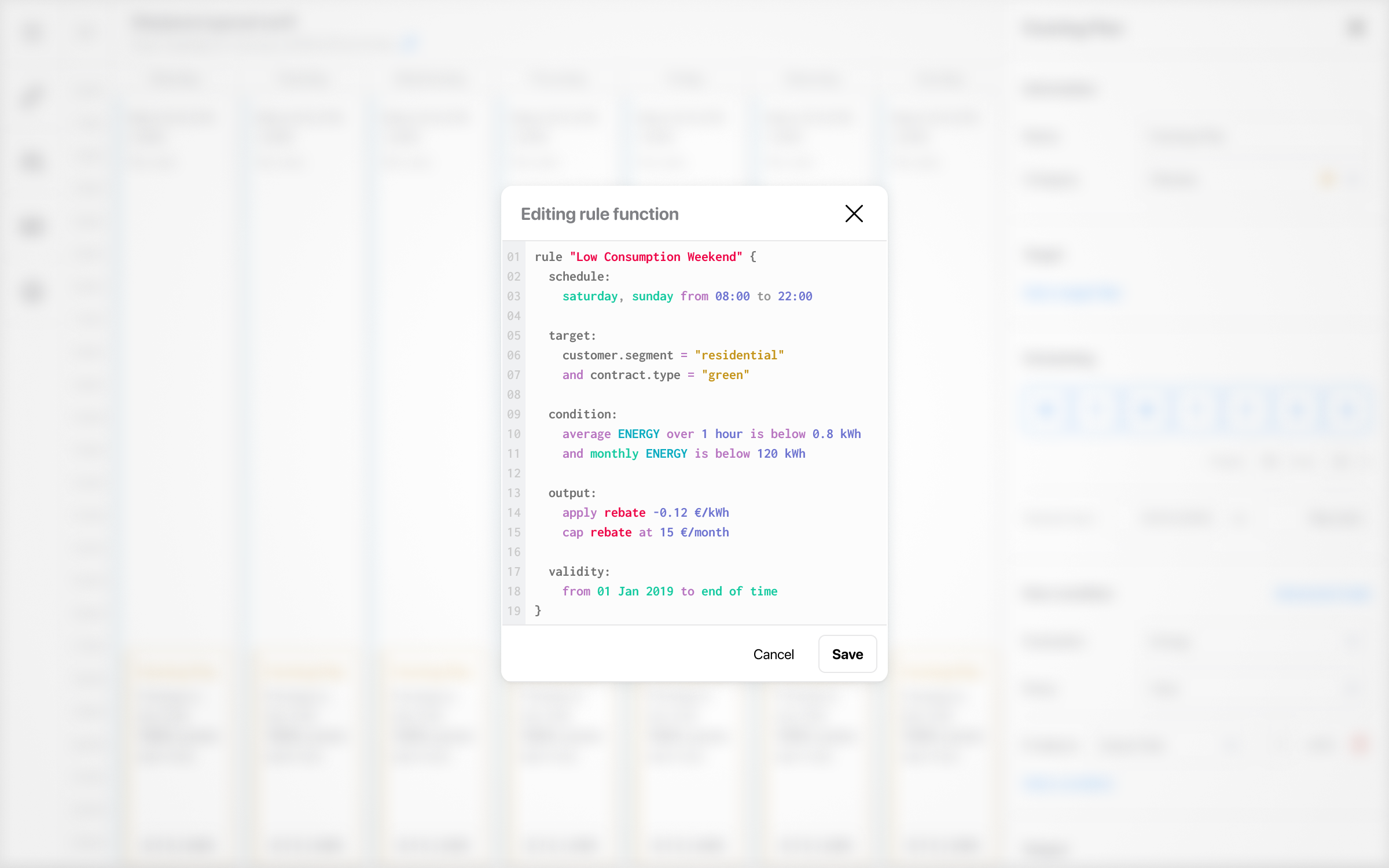
Two-level tariff editor combining a guided mode with business blocks and an advanced mode for complex rules.
Avoided cost
Accepted cost
Time
Rules depended on dates, seasons or schedules, so their application had to become visible over time.
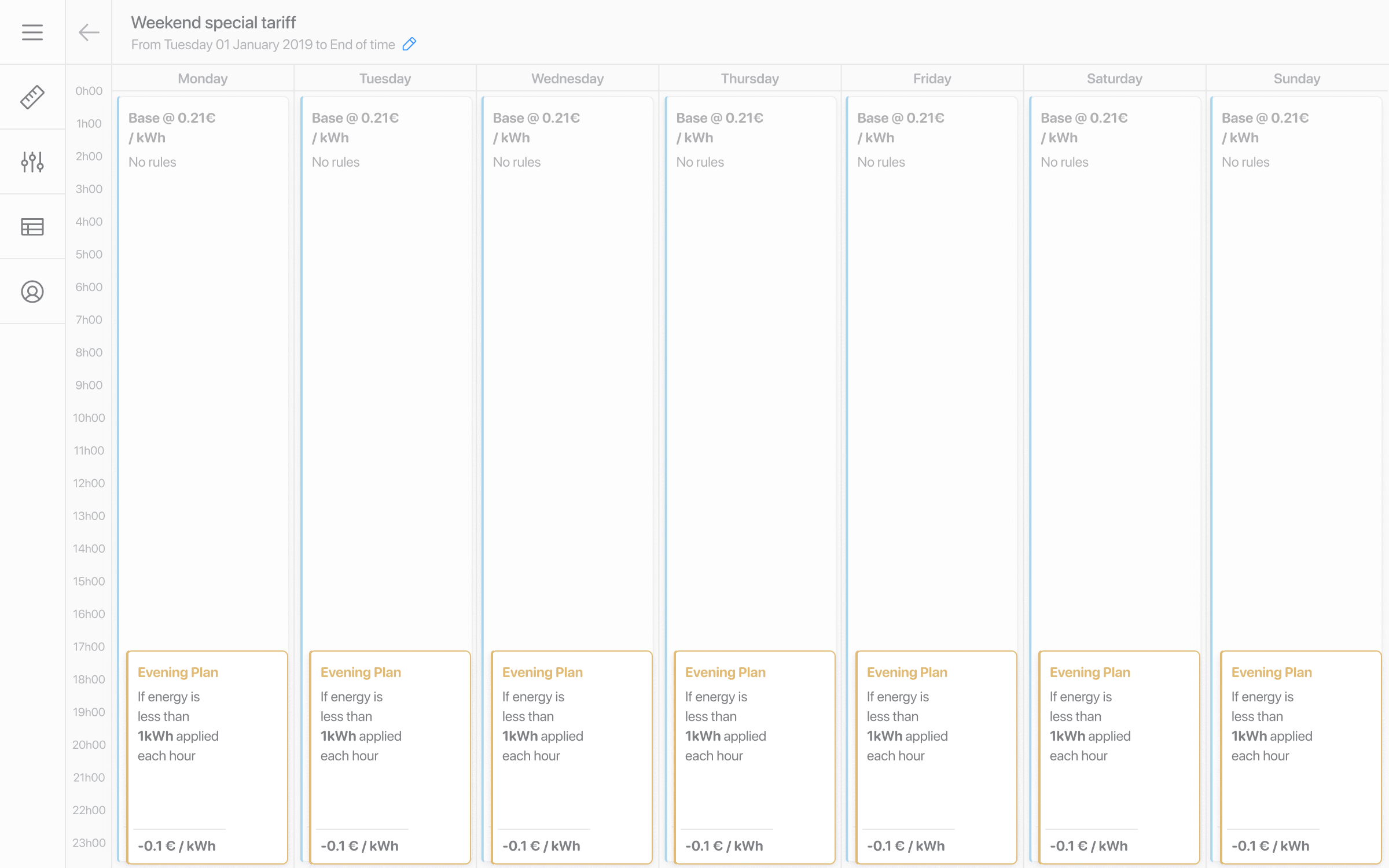
Timeline showing the application periods of several tariff rules over time.
Avoided cost
Accepted cost
Trust
Teams had to see what a rule produced before it reached the billing system.
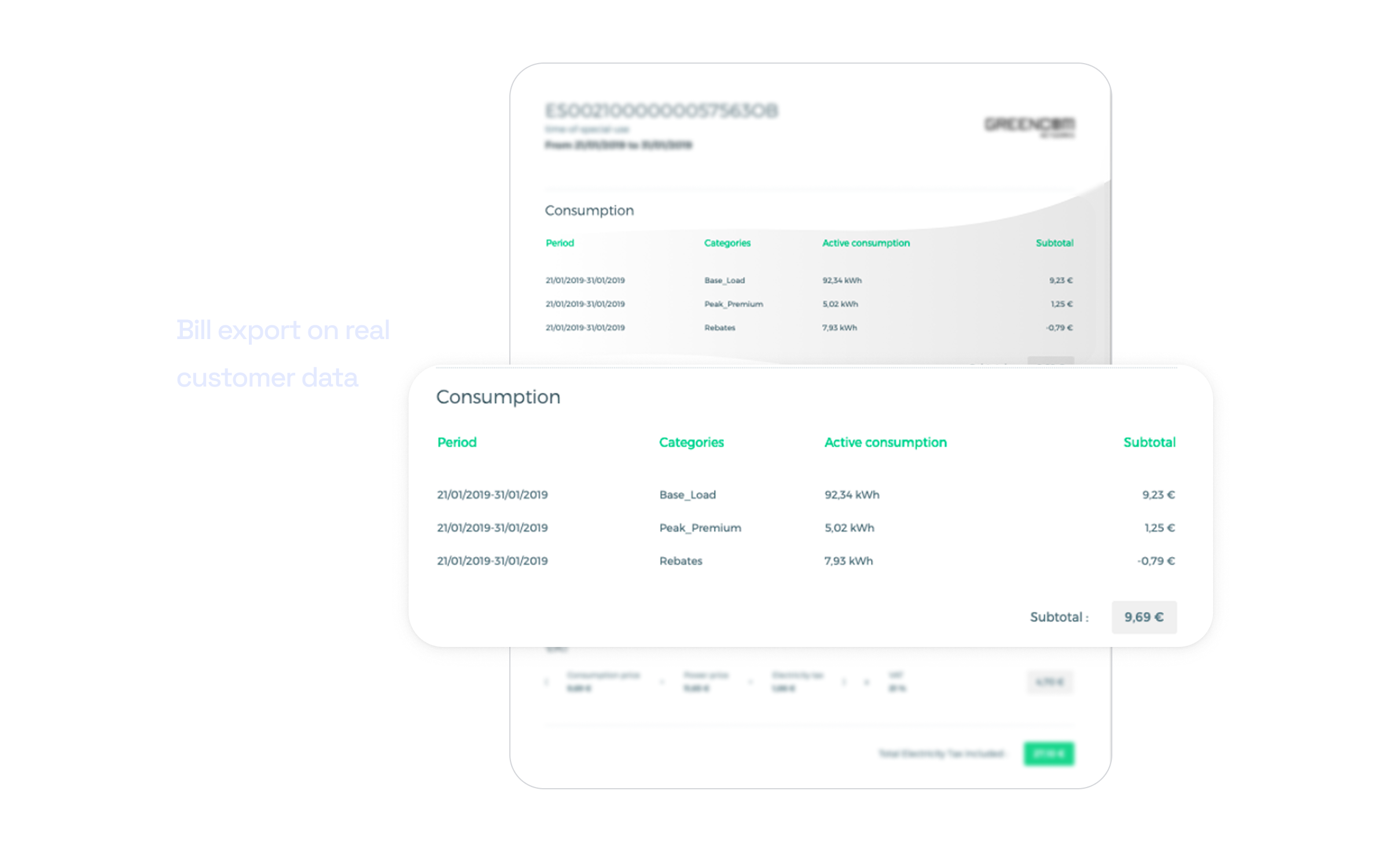
Workflow showing the verification of a tariff rule on real data before sending it to the billing system.
Avoided cost
Accepted cost
The tool made offers faster to create, easier to verify and less dependent on specific development.
Offer teams gained autonomy
common cases became configurable in a business interface
New offers became faster to test
less back-and-forth with IT for each variant
Rules became verifiable before billing
simulation, bill preview and control of generated results
Time to complete key tasks
Before / After
Tasks that depended on IT became configurable inside the tool.
-60%
Specific requests
Estimate on common scenarios that could be covered by configurable rules.
-70%
Implementation effort
Estimate compared with a heavy evolution of the existing billing system.
Create one screen for every case
DON'TDesign a system that absorbs variants
INSTEADHide all complexity
DON'TMake it readable and manipulable
INSTEADValidate only the interface
DON'TVerify what the interface actually produces
INSTEAD